Fairy Tales and Folklore
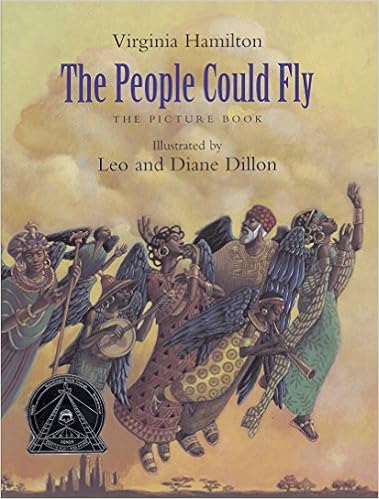
This week in English, Mrs. Valentino read us a picture book about a Gullah Folktale as a prerequisite to The Song of Solomon by Toni Morrison, which was a book we were going to read and study together as a class. When we started to discuss the Gullah Folktales, we learned that they’re very prominent in the African-American culture, and are stories that have been orally passed down since the time African-Americans were enslaved. What was curious about the whole thing was that practically nobody in our class had ever heard of these folktales before. Mrs. Valentino even said she hadn’t heard of them until after she had read The Song of Solomon. More baffling, the particular story we listened to in class, The People Could Fly, was about African-American slavery and freedom, something that was a major part of our nation’s history and is prevalently discussed today, which means more people should be familiar with the story right? Apparently not.
I feel like this could apply to folklore in other cultures as well; Usually, when people talk about fairy tales or folktales, they think of the Grimm brothers or Hans Christian Andersen, which is understandable considering many of the Disney movies along with other popular adaptations are based on their books. Rarely do we think, “Oh yeah, African Americans have folktales too!” or say, “ Do you know the story of Scheherazade? She’s amazing!” Rather, when we do think of folklore from other cultures, what generally comes to mind is Mulan, Aladdin, or something else that isn’t exactly true to its original story, which is sad considering our population is made up of more than just the Europeans who originally settled here. What seems to be the case is that we, as Americans, only know what is put out there by the media and discuss only what is currently popular, and Gullah, Chinese, or Middle Eastern folklore have never been a great part of either of those things. If it were, I believe that we would have less hostility between races and become a more wholesome country. We would have a better understanding of why certain cultures have certain traditions and maybe even relate to each other more strongly. After all, folklore is basically stories preserved by people that consist of traditions, music, legends, among other things pertaining to a specific culture. If we were only to expose more Americans to folklore and fairy tales of a greater variety of cultures, it could be a way to bring about change.


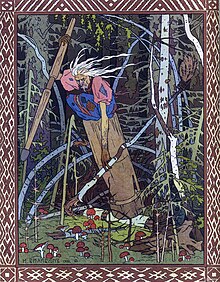
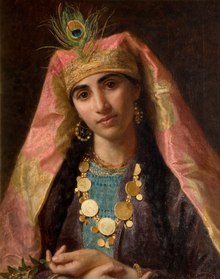
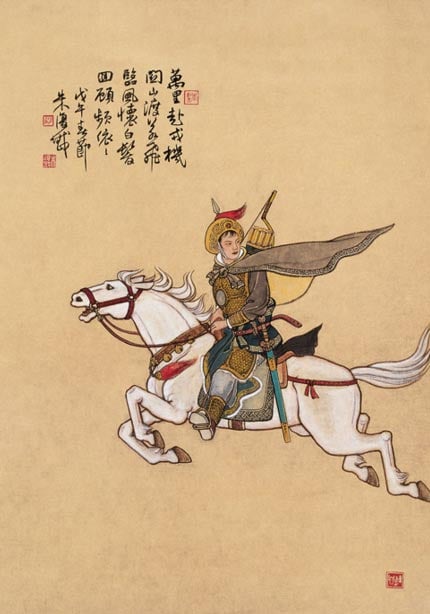
The first photo is Baba Yaga, second is Scheherazade, third is the book The People Could Fly, the fourth is Mulan.
ReplyDeleteSo true. We are exposed to such a limited amount of folklore, and if it isn't European its been altered by Disney. I agree that social change comes with open mindedness, and to practice open mindedness is to actively learn about other cultures.
ReplyDeleteThis post was really interesting. I haven't ever stopped to think that each culture has their own folklore, and that the common ones from other cultures are often simplified or stray from the original stories. I really love your perspective and how you opened up for a different way of thinking.
ReplyDelete