Representation of Racism in the Song of Solomon
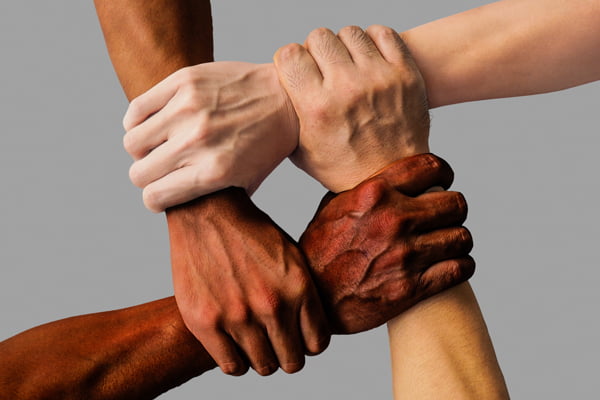
Going into the Song of Solomon, I already had a feeling that there was going to be a lot of representation for racism within. I was right; the racism towards blacks in the story is like a looming shadow, steering the plot in different directions, and helping to characterize certain characters. In other words, it is made blatantly clear by the author that racism is a theme to the outcome of the story: Not only does she focus the novel on a wealthy African-American family during the 1930s-1960s, a prime time of discrimination against blacks and the beginning of Civil Rights Movement, but she also depicts several racist occurrences throughout the events of the story. One of the most prominent is naturally the moment after Milkman and Guitar had stolen the sac of “gold” from Pilate and were stopped by the police. This was, of course, not because the police knew they had robbed someone or that fact that they were “speeding.” (204, Morrison) In fact, they were “just driving along,” which means the police were racial profiling the two characters. (204, Morrison)
When representing racism in a book, such events are a given. Any book relating to racism have scenes similar to the one explained. What really surprised me is how Toni Morrison managed to show just how deep racism could affect a community; she demonstrates that there could be different types of racism. As a matter of fact, two others! The first is reverse racism; Guitar symbolizes this as he literally states that White people are a “disease,” claiming that they are an unnatural race. (157, Morrison) He had gradually developed this hatred for white people after his father had been killed for being black. He expresses his anger in joining the 7 days, a group whose sole purpose is to kill white people when one of their own is unjustly killed. The second type of racism depicted is internalized racism. Racism towards African-Americans is so prevalent in America during that time that it had become normalized. Anytime blacks didn’t follow the discriminatory rules established by the white ruling class. For instance, Freddi condemns Emmett Till when he learns the child had been mutilated and killed, exclaiming “ He knew he was in Mississippi.” (81, Morrison)
Morrison’s portrayal of racism in her books helps her readers get a better understanding of what racism could be and what it does.


Comments
Post a Comment